Global PHP Security Issue: What Has Happened and What Should Your Business Do?
A major PHP security issue is affecting websites worldwide. Find out what it means for your business website and the steps you should take.

A major PHP security issue is affecting websites worldwide. Find out what it means for your business website and the steps you should take.
Most of us know we should have “good passwords”. The problem is that what counts as good password security has changed quite a bit over the last few years.
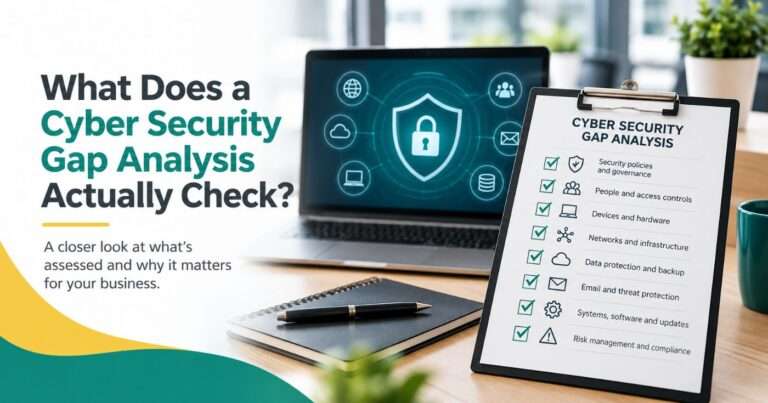
What does a cyber security gap analysis actually check? From access controls and devices to backups and email security, we explain what’s assessed and how it can help uncover weaknesses before they become a problem.
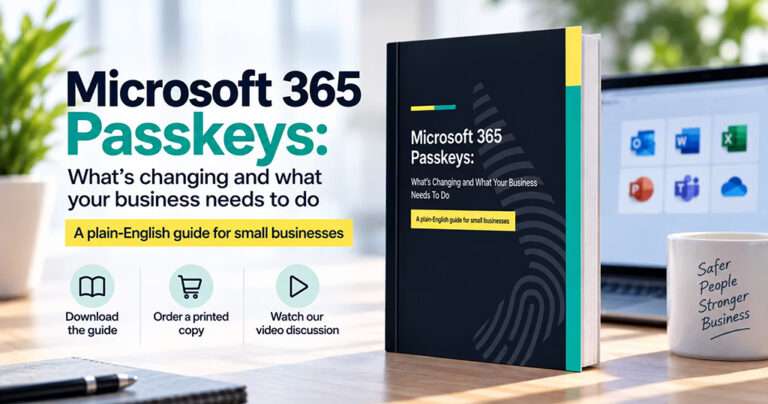
Passkeys are becoming an increasingly important part of how we sign in securely online, including to Microsoft 365.

Staff holidays can create unexpected cyber security risks. Discover simple steps to keep your business secure while employees are away this summer.

A cyber attack on one of your suppliers could put your business at risk. Learn how third-party cyber risk works and the steps UK SMEs can take to stay protected.

Discover what UK businesses can learn from the biggest cyber attacks of the last three months, including practical cybersecurity lessons to help protect your organisation.
Passkeys are becoming more common, cyber criminals are using increasingly sophisticated phishing techniques, and businesses are managing more online accounts than ever before.

The telltale signs your staff were trained to spot in phishing emails are disappearing fast. Here’s how AI is changing the threat – and what to do about it.
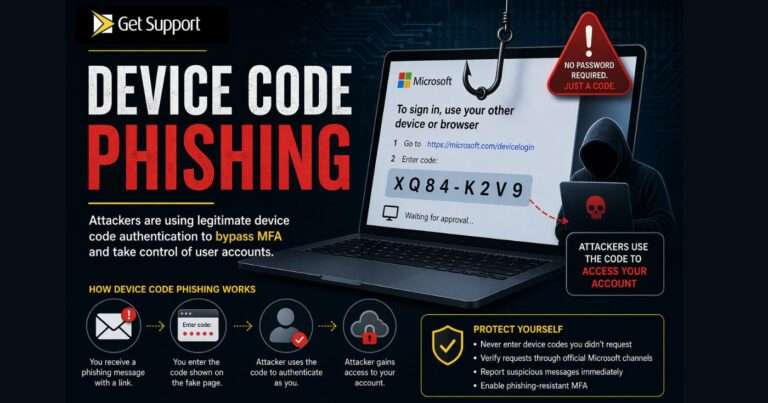
Device code phishing is a newer type of Microsoft 365 attack that uses a real Microsoft login process against the user. Instead of stealing a password on a fake website, the attacker tricks someone into entering a code on Microsoft’s genuine device login page.
Phishing attacks are changing. Some of the most effective scams now don’t involve fake websites, stolen passwords, or obvious warning signs at all. Instead, they quietly trick people into approving access themselves.
World Backup Day on 31st March is a good reminder that most businesses have backups – but far fewer have backups that would actually survive a ransomware attack.